These past few days, I've been on a reading spree. I read many articles related to "AI software factory". It is an interesting concept where we treat creating software in the same manufacturing sense of a factory, with specific preditable steps performing by separate subagents. Two of my favorites are from Vercel and Cloudflare. Vercel created this "factory" as a way to deal with an ever increasing numbers of issues on GitHub. For those wanting a getting-started on how a software factory works, Vercel's post is worth a read. I even created my own sort of "factory" using SKILL.md, following on how I usually approach a bug: reproduction, analyze, plan, implement, test. The last 2 parts are often a loop. And it worked somewhat. I plan to test it some more.
However, after finding out that one of my coding agents, OpenCode, was built from Vercel AI SDK,
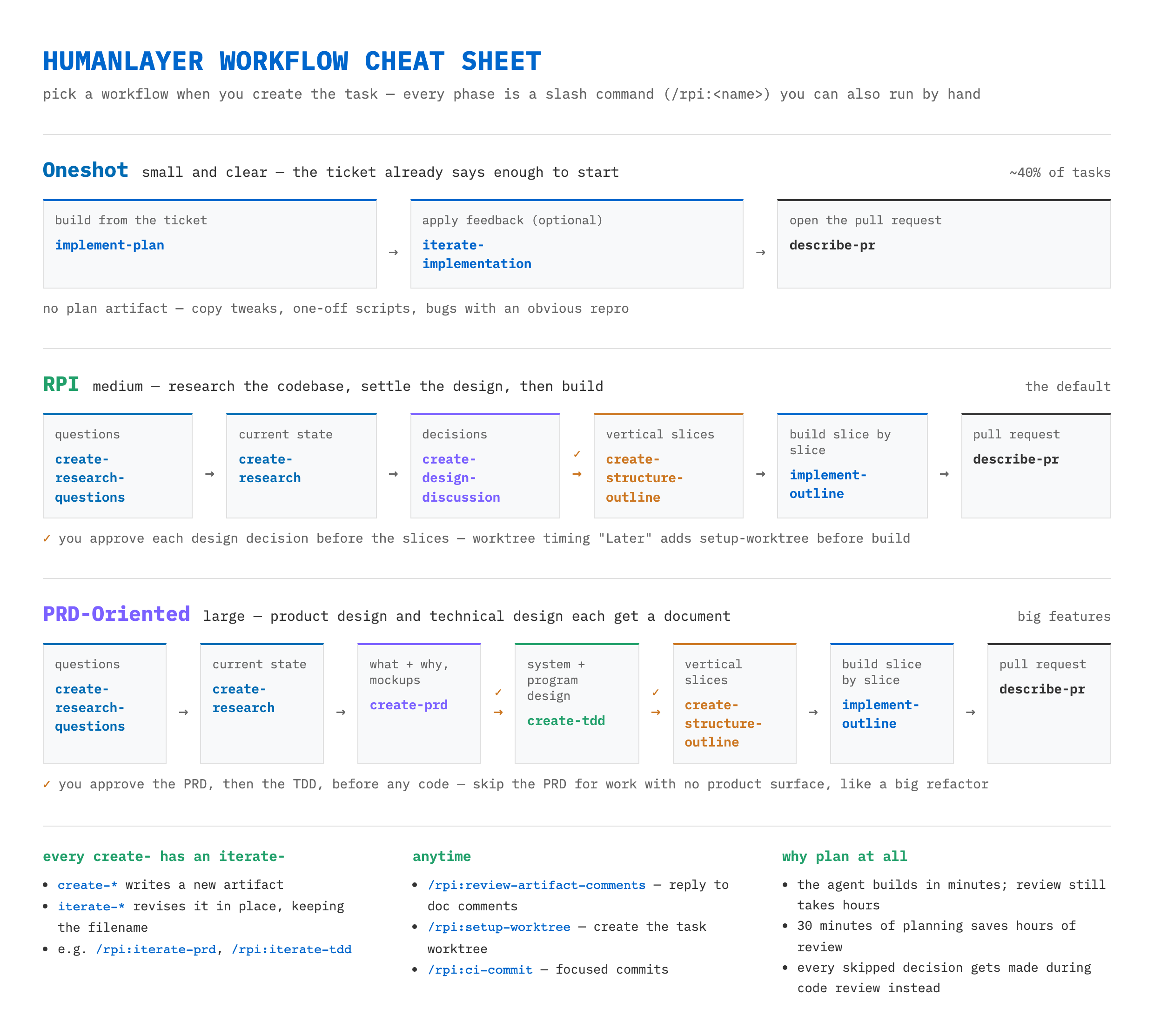
"OpenCode uses AI SDK" - Dax Raad (CEO & Founder of OpenCode)I started to think about coding agents in the grand scheme of how all of them works, especially now that I know about the existence of HumanLayer, Factory, more of those AI software factory. Even AI desktop agents such as Claude Cowork/Science, ChatGPT Work, Open Cowork.
They are all chatbots. No matter what advertisement, call-to-action, or whatever landing page tells you, under the hood, they are all the same LLM + tool call + system prompt.
And also
AI software factory is just multi-agent orchestration with event trigger (Jira ticket, GitHub issue, etc). Same as to how those workflow integration tools those startups build work.
Now that's out of the way. I think AI software factory is a pipe dream right now. It won't work, at least the way I see it. If it did, should software quality be going through the roof? Instead, we get GitHub outage. And I will admit, the Vercel's AI software factory is cute. I am sure it is useful for low-priority bugs; or looking ahead (reproduction, analyze, plan) on what is causing the bugs, why, how they should be fixed without fixing them; or PR triage as those agents can help sort out which bugs worth paying attention to by the developers. But I don't think more prompts, context are going to make AI agents somehow code better without human involvement. From Dex Horthy, founder of HumanLayer, he argued that current models were trained on code generation, passing tests instead of long-term codebase health and maintainability. But his solution, which was to create more design docs, more specs, wouldn't solve anything. Human coders are already swarmed by PRs with thousand lines of code that they don't have time to digest. Now you want to throw in more docs and specs that, pre-AI, nobody would bother read, except for PM/CTO who can now claim "I am a real dev now" by talking to a coding agent to create features, then go on to tell developers to kick rock. And that's assuming there were ever docs and specs for the project to begin with. Remember, we were supposed to be in the golden age where we can wisk an application to existence by talking to robot with a single wish. And now, we just rediscovered software engineering with a slot machine.
I'm not saying we have to go back to hand-crafting our code like artisans. Lots of bad code exist in that era, too. Believe me, I have worked with a 5-year one and a 15-year one (we just patched some vulnerabilities. Thanks for the heads up, security department and Claude Opus 4.7). But we need to find a balance between going spec-mode and using AI as a sparring partner, like how we used to do with Google and Stack Overflow and old Cursor / GitHub Copilot autocomplete. Using coding agents as a powerful codebase search engine is a start, since they can read and trace faster than human can. And we need it now. Because so far, I haven't seen anyone talking about how we plan to get new engineers adapting to the new world, without them all vibe-coding. I have seen first-hand of that happening, and it ain't pretty.